
 By Mag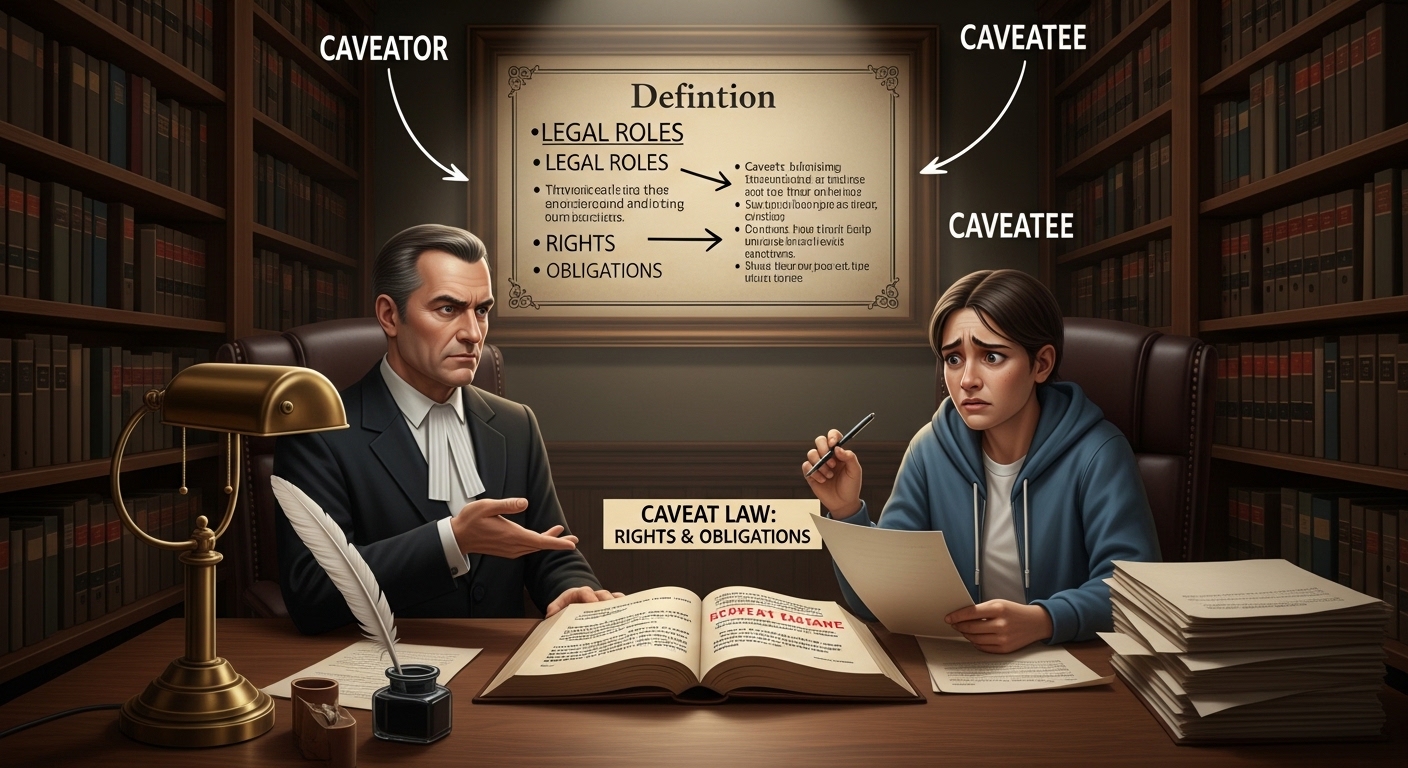
Legal professionals often encounter the terms caveator and caveatee in property law and legal proceedings involving disputes or claims. These terms define the roles of two parties when one files a legal notice, known as a caveat, to prevent certain actions without prior notification. Anyone dealing with legal claims, property disputes, or court procedures must understand caveator and caveatee, as this knowledge clarifies the responsibilities and rights of both parties involved.
In legal systems, clearly defined roles ensure fairness and transparency. The concept of caveator and caveatee supports this balance by requiring parties to communicate before taking any legal action. This article explains the meaning, purpose, and significance of these terms in a comprehensive and accessible way.
Caveator Caveatee Meaning and Legal Definition
Legal terminology derived from Latin shapes the meaning of caveator caveatee. A “caveator” files a caveat, while a “caveatee” is the individual or party against whom the caveator files it.
A caveat essentially acts as a formal notice that someone submits to a court or legal authority. It warns the authority not to take any action without informing the caveator. This mechanism ensures that the caveator gets an opportunity to be heard before authorities make any decisions.
The relationship between caveator caveatee establishes a legal framework where both parties are aware of ongoing or potential legal actions. This helps prevent one-sided decisions and promotes fairness in the legal process.
Understanding these definitions is the first step toward grasping how caveats function within the broader legal system.
Caveator Caveatee in Property Law and Legal Disputes
The role of caveator caveatee is particularly significant in property law. Property disputes often involve multiple parties with competing interests, making it essential to ensure that all claims are properly addressed.
When a caveator files a caveat, it prevents the caveatee from proceeding with certain actions, such as transferring property ownership or executing legal agreements, without notifying the caveator. This ensures that the caveator’s interests are protected.
For example, if a person claims a right or interest in a piece of property, they may file a caveat to prevent its sale or transfer until the dispute is resolved. In this scenario, the caveator caveatee relationship ensures that both parties have an opportunity to present their case.
This legal mechanism is crucial for maintaining transparency and preventing disputes from escalating without proper communication.
Caveator Caveatee and the Purpose of Filing a Caveat
The purpose of filing a caveat is closely tied to the roles of caveator caveatee. A caveat acts as a protective measure, allowing the caveator to safeguard their legal interests.
By filing a caveat, the caveator ensures that they will be notified of any legal proceedings related to the matter. This notification gives them the opportunity to participate in the process and present their arguments.
For the caveatee, the presence of a caveat serves as a reminder that their actions may be subject to legal scrutiny. It encourages them to follow proper procedures and respect the rights of the caveator.
The interaction between caveator caveatee highlights the importance of communication and due process in legal systems.
Caveator Caveatee Rights and Responsibilities in Legal Proceedings
Legal principles define the rights and responsibilities of the caveator and caveatee to ensure fairness. Each party must follow specific obligations to maintain the integrity of the process.
The caveator has the right to receive information about any legal action related to the caveat. They also must provide accurate information when filing the caveat.
On the other hand, the caveatee must respect the caveat and must not take any action without notifying the caveator. This responsibility prevents disputes and ensures that all parties receive fair treatment.
Both parties must adhere to legal procedures and act in good faith. The balance of rights and responsibilities within the caveator caveatee framework is essential for maintaining trust in the legal system.
Caveator Caveatee and the Importance of Legal Notice
Legal notice is a fundamental aspect of the caveator caveatee relationship. The concept of notice ensures that all parties involved in a legal matter are aware of proceedings and have the opportunity to respond.
Without proper notice, legal actions could proceed without the knowledge of affected parties, leading to unfair outcomes. The caveat system addresses this issue by requiring notification before any action is taken.
The emphasis on notice reflects the broader principle of natural justice, which requires that individuals have the opportunity to be heard. The caveator caveatee system supports this principle by promoting transparency and accountability.
Understanding the importance of legal notice helps clarify why caveats are an essential part of legal procedures.
Caveator Caveatee in Civil Law Systems
The application of caveator caveatee is most commonly seen in civil law systems, where formal procedures govern legal disputes. These systems rely on structured processes to ensure fairness and consistency.
In civil law, the filing of a caveat can influence the course of legal proceedings. It may delay certain actions until the caveator has had an opportunity to present their case.
The use of caveats varies across jurisdictions, but the underlying principle remains the same: to protect the interests of parties involved in legal disputes. The concept of cavetor caveatee provides a framework for achieving this goal.
By understanding how these terms function within civil law systems, individuals can better navigate legal processes.
Caveator Caveatee and Common Misunderstandings
Many people misunderstand the concept of cavetor caveatee despite its importance. Some assume that filing a caveat automatically resolves a dispute, but this belief is incorrect.
A caveat does not determine the outcome of a legal matter. Instead, it gives the caveator an opportunity to participate in the process, while the relevant legal authority makes the final decision.
Another common misconception is that people can use caveats indefinitely. In reality, they must follow time limits and may need to renew them or support them with legal action.
Anyone considering the use of caveats in legal proceedings should clarify these misunderstandings.
Caveator Caveatee and Practical Applications in Real Life
The practical applications of cavator caveatee extend beyond theoretical legal concepts. These terms are used in real-life situations where individuals seek to protect their rights and interests.
For example, in property transactions, a caveator may file a caveat to prevent unauthorized sales or transfers. In business disputes, caveats can ensure that contractual obligations are respected.
Legal professionals often rely on the caveator caveate framework to advise clients and manage disputes effectively. By understanding how these roles function, individuals can make informed decisions in legal matters.
The practical relevance of these concepts highlights their importance in everyday legal scenarios.
Final Thoughts
The concept of caveator caveate plays a vital role in ensuring fairness, transparency, and accountability in legal systems. By defining the roles of the parties involved, it creates a structured approach to handling disputes and protecting rights.
From property law to civil proceedings, the application of these terms demonstrates the importance of communication and due process. The ability to file a caveat provides individuals with a valuable tool for safeguarding their interests.
Understanding caveator caveate is essential for navigating legal challenges and making informed decisions. It highlights the importance of legal awareness and the role of structured procedures in maintaining justice.
In conclusion, caveator caveate is more than just a legal concept—it is a fundamental part of how modern legal systems ensure fairness and protect the rights of individuals.