
 By Mag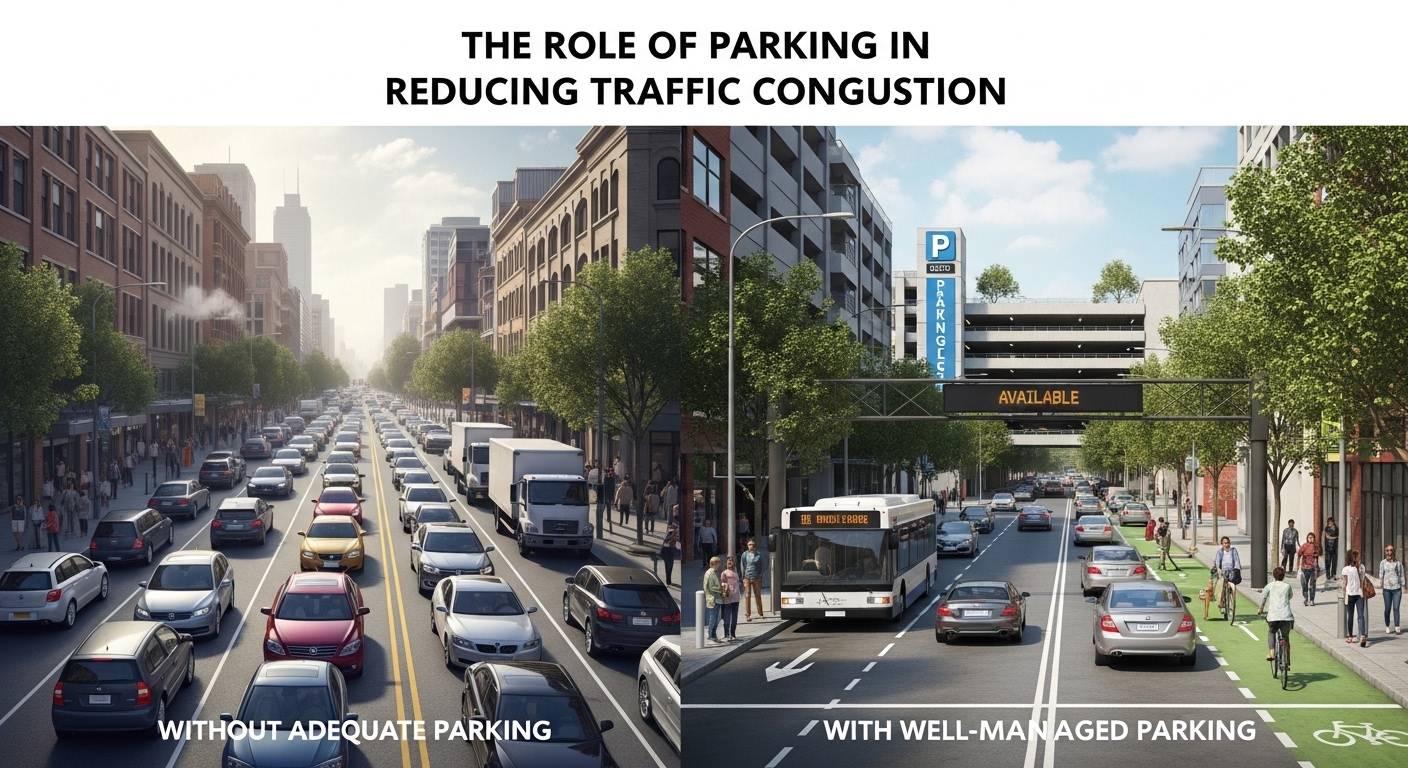
Parking garages provide organized spaces where drivers can leave their vehicles unattended temporarily, and this may help reduce traffic on the surrounding streets. These facilities range from single-level flat lots to complex, multi-level facilities that utilize underground space or elevated decks to maximize storage. Here is the role of parking in reducing traffic congestion:
Online Reservation Support
Some parking garages offer online reservations where a motorist secures a space in advance. During booking, users select a garage location and provide their vehicle’s details. The facility processes your details in advance. Once you get to the facility, you can navigate to your space without stopping to inquire about current availability. This streamlined process allows vehicles to transition from the public road to private stalls with increased efficiency. Drivers are able to spend less time circling a garage or its surrounding streets looking for available parking stalls; this helps reduce traffic congestion. The system may work by integrating real-time occupancy data with an interface that displays open spots at various locations, guiding drivers to them.
Structured Parking Plans
Some parking facilities offer programs that provide drivers with dedicated spaces on a long-term basis. These plans entail a recurring subscription that allows motorists to access a garage whenever they need to. Clients may select specific schedules, such as weekday only or overnight permits; this allows them to align their parking needs with their work or personal requirements. These subscriptions are managed through a centralized online account, allowing motorists to update their vehicle information without visiting the facility.
Vehicle Storage Centralization
Garage management teams help centralize vehicle parking by including many garage facilities in a single digital directory. The website serves as a unified portal for numerous parking locations across a city. Users are able to search for a specific location on the website and find details about different garages that meet their needs. Drivers can then navigate directly to their preferred parking lots through one system, helping to keep the city streets clearer as vehicles gather in the dedicated areas.
Some online platforms categorize garages based on their physical clearance and technical capabilities. They may redirect drivers with oversized vehicles to areas designed for them. During reservations, motorists are able to filter their search to find a facility that matches their car’s dimensions. This garage specification-matching may reduce traffic congestion by eliminating roadway obstructions caused by drivers who are unable to find suitable spaces.
Indoor Directional Signage
Indoor directional signage within garages streamlines vehicle navigation to reduce traffic congestion. These systems use visual cues and physical markings to guide motorists using the facility. Some indoor signage used in garages includes:
- White pavement arrows
- Ramp markings
- Overhead clearance restrictions
- Lane markings
- Reserved zone signage
Pavement arrows and consistent lane markings align with angled parking spots, and this makes it easier for drivers to enter or exit spaces. They facilitate an organized flow that supports a safer and more efficient circulation pattern within the facility. Ramp markings allow drivers to navigate each level easily, decreasing the likelihood of congestion during peak traffic periods. Clear signage for clearance restrictions and reserved zones helps protect vehicles and the facility’s overall operational flow.
Automatic Gate Integration
Automated gates in modern garages help reduce traffic congestion by accelerating the vehicle intake process. When a motorist approaches the gate, they may use a digital pass to check in. Specialized scanners check the validity of the pass and open the gate. This rapid mechanical response prevents drivers from having to wait for manual ticket issuance or human verification. Once the driver completes their stay, they can utilize a pre-validated digital pass to exit the gate. Automated gate operations help keep internal aisles clear from traffic congestion by preventing delays during entry and exit.
Some facilities utilize license plate recognition to identify the registered vehicle instantly. Drivers may include their license plate number in their online account. When they arrive at the garage, the scanner reads their plate number and matches it to their account. This allows them to quickly enter the facility, and they avoid blocking an entrance as they manually pay at a kiosk.
Learn More About Parking Garages
Parking garages that utilize features such as reservation systems help to reduce traffic congestion. Some indoor parking garages utilize wide turn lanes to align with the natural traffic flow of dense neighborhoods. They may include dedicated pedestrian walk paths and stairwell access to prevent foot traffic from interfering with moving vehicles. Contact a reputable parking management company to learn more about their services.