
 By Mag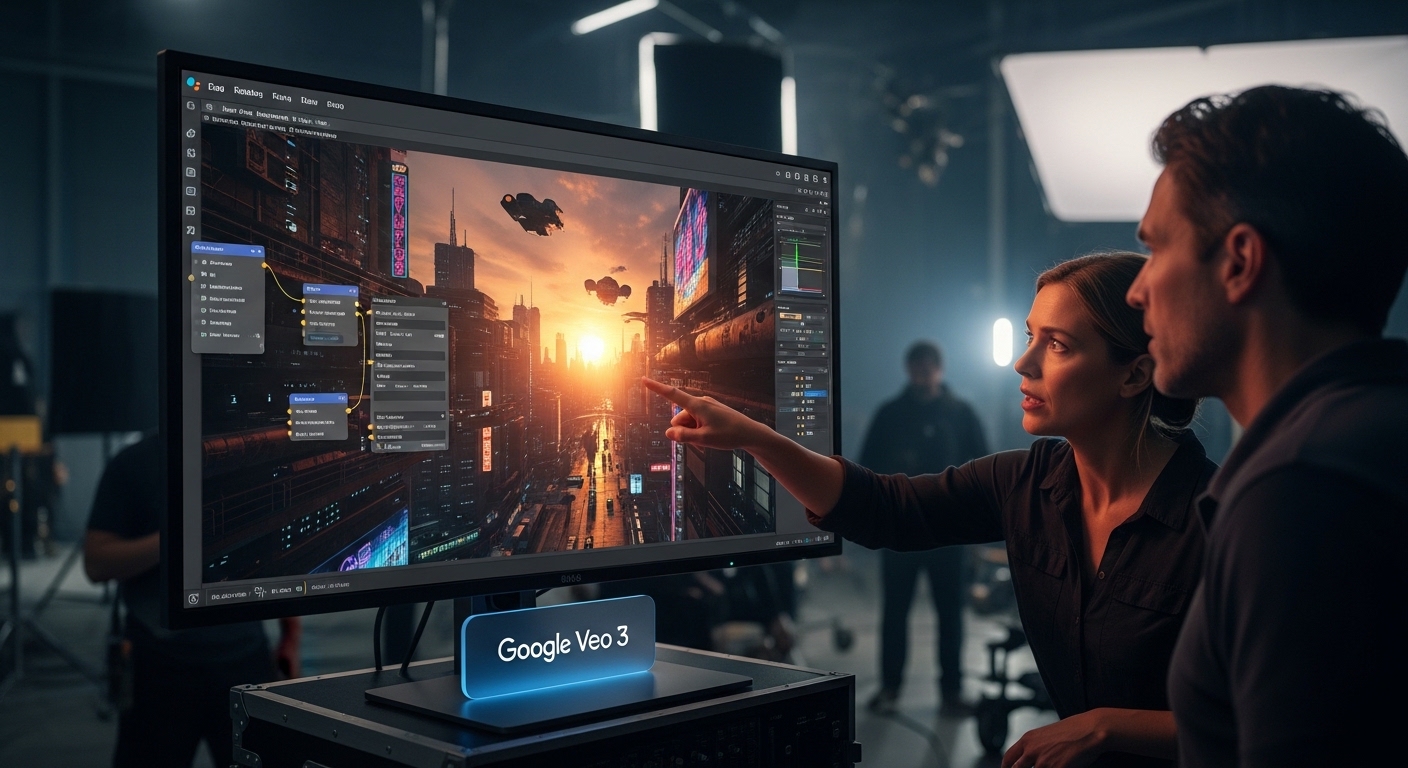
Cinematic video production has traditionally been associated with professional filmmaking. Creating visually compelling scenes often requires expensive cameras, advanced lighting equipment, skilled cinematographers, and extensive editing tools. For many creators and businesses, these requirements make high quality cinematic production difficult to achieve on a regular basis.
In recent years, artificial intelligence has started transforming the way videos are created. Instead of filming every scene in the physical world, creators can now use AI video models to generate realistic visuals from simple descriptions. These technologies analyze prompts and produce moving scenes that resemble professional footage.
One of the most exciting innovations in this area is Google Veo 3. This AI video model allows creators to generate cinematic shots, promotional videos, explainers, product demos, social media clips, and even real estate tours directly from text prompts. By interpreting descriptive language and translating it into video scenes, the technology allows creators to experiment with cinematic visuals without traditional production constraints.
Understanding how Google Veo 3 helps create realistic cinematic shots with AI reveals how modern creators can achieve professional visual quality with far fewer technical barriers.
What is Google Veo 3 and how does it generate cinematic shots?
Google Veo 3 is an advanced AI video generation model designed to create realistic video scenes from written prompts. Instead of relying on physical filming environments, the system interprets creative descriptions and produces visual footage that matches the requested concept.
Platforms such as google veo 3 on invideo allow creators to access this AI model and generate cinematic scenes through a simplified workflow. By describing a setting, camera angle, movement, or atmosphere, creators can generate video sequences that resemble professionally filmed footage.
Many creators also combine these generated scenes with editing features available in a video creator app. This allows them to organize clips, add narration, include background music, and assemble a complete video story.
The AI model analyzes the prompt, identifies visual elements such as environment, lighting, and motion, and then constructs frames that simulate a cinematic video sequence.
How does AI video generation simulate realistic camera movement?
One of the defining features of cinematic storytelling is camera movement. In traditional filmmaking, directors use camera motion such as panning, tracking, or aerial shots to guide the viewer’s attention and create emotional impact.
AI video models replicate these cinematic techniques by learning from large datasets of video footage. The system analyzes patterns related to camera motion and scene composition.
When a creator includes camera instructions in a prompt, the AI interprets these cues and generates video frames that simulate the requested motion. For example, a creator might request a slow tracking shot through a forest or a wide aerial view of a city skyline.
The AI constructs the sequence so that the motion appears smooth and natural. This ability to simulate cinematic camera movement allows creators to generate scenes that feel visually dynamic rather than static.
By combining motion with environmental detail, the system produces shots that resemble professional cinematography.
Why do cinematic shots matter for modern video content?
Cinematic visuals play an important role in capturing audience attention. Videos that feature strong composition, smooth camera movement, and atmospheric lighting often appear more professional and engaging.
For creators, cinematic shots help communicate ideas more effectively. A dramatic landscape shot can establish the setting of a story, while a close up shot can emphasize emotion or detail.
In marketing and advertising, cinematic visuals can also elevate the perceived quality of a brand. High quality visuals often create stronger impressions and encourage viewers to watch longer.
However, producing cinematic shots through traditional filming can require expensive equipment and skilled operators. AI video generation removes many of these barriers by allowing creators to generate visually rich scenes through descriptive prompts.
This accessibility makes cinematic storytelling more achievable for independent creators and small businesses.
How can creators use Google Veo 3 to generate cinematic scenes?
Creators can begin by writing descriptive prompts that outline the visual elements of a scene. These prompts typically include information about the environment, lighting conditions, camera perspective, and movement.
For example, a creator might request a cinematic sunset shot of a beach with waves moving gently across the shore. The AI interprets this description and generates a sequence that includes warm lighting, natural motion, and atmospheric detail.
Creators can refine the prompt to adjust the visual style. Adding descriptions of camera angles or motion can help guide the AI toward producing more cinematic results.
Once the scenes are generated, creators can combine multiple clips to form a complete video narrative. These clips can be edited together, enhanced with music or voice narration, and published as finished content.
This process allows creators to experiment with cinematic visuals without needing traditional filming setups.
How does Google Veo 3 help creators experiment with visual storytelling?
Experimentation is essential for creative storytelling. Filmmakers and content creators often test different visual ideas before finding the approach that best communicates their message.
Traditional filmmaking can make experimentation difficult because filming new scenes often requires additional time, resources, and locations.
AI video generation makes experimentation easier by allowing creators to generate multiple variations of a scene quickly. If a creator wants to explore different lighting styles or camera perspectives, they can adjust the prompt and generate new versions.
For example, a scene might be generated with bright daylight lighting, then recreated with dramatic sunset lighting to compare the visual impact.
This flexibility allows creators to refine their storytelling and explore creative ideas without being limited by production logistics.
How does AI video generation support marketing and promotional videos?
Marketing teams increasingly rely on video to communicate brand messages and showcase products. Cinematic visuals help make promotional videos more engaging and memorable.
Google Veo 3 allows marketers to generate product demonstrations, promotional visuals, and stylized scenes that highlight brand features. Instead of organizing complex filming setups, marketing teams can describe the desired visuals and generate scenes quickly.
For example, a product demonstration might include cinematic shots that highlight the design and functionality of a product. These visuals can enhance storytelling and make the advertisement more visually appealing.
Businesses can also generate multiple versions of promotional content for different audiences or platforms. This flexibility allows marketing teams to test different creative approaches and identify which visuals resonate most with viewers.
What creative possibilities does AI cinematic generation unlock?
AI video generation expands the range of environments and scenes that creators can explore. Because the visuals are generated digitally, creators are not limited by physical filming locations.
For example, a creator might generate futuristic cityscapes, dramatic mountain landscapes, or stylized fantasy environments that would otherwise require extensive visual effects.
This capability allows creators to build visually immersive stories that capture viewer attention. Cinematic shots generated through AI can serve as the foundation for storytelling projects, marketing campaigns, or educational content.
As AI models continue to improve, creators will gain even greater control over visual composition, camera movement, and scene detail.
How should creators use AI cinematic tools responsibly?
While AI video generation offers powerful creative opportunities, responsible use is essential. Creators should ensure that their content respects copyright laws, privacy considerations, and ethical guidelines.
When generating scenes that resemble real people or locations, creators should avoid producing misleading representations. Transparency about the use of AI generated visuals helps maintain trust with audiences.
Creators should also focus on originality and creativity when using AI tools. AI should enhance storytelling rather than replace thoughtful creative direction.
By approaching AI video generation responsibly, creators can explore innovative visual techniques while maintaining credibility and authenticity.
Conclusion
Artificial intelligence is transforming how cinematic video content is produced. Instead of relying entirely on traditional filming equipment, creators can now generate visually compelling scenes using advanced AI video models.
Google Veo 3 represents an important step in this evolution. By translating descriptive prompts into realistic video scenes, the technology allows creators to produce cinematic shots quickly and efficiently.