
 By Mag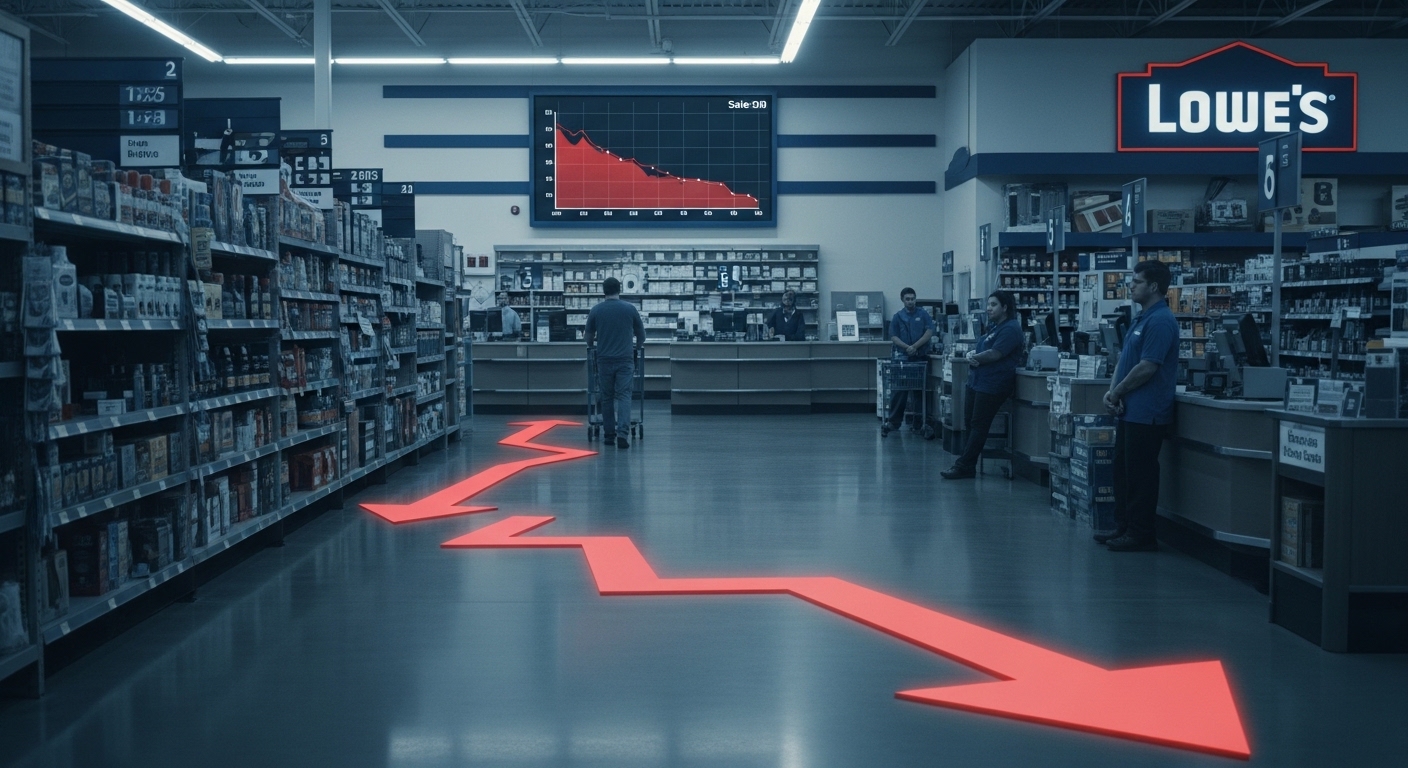
Lowe’s customer traffic decline has become a significant topic in the retail industry, drawing attention from analysts, investors, and everyday consumers. As one of the largest home improvement retailers in the United States, Lowe’s Companies, Inc. has long been a benchmark for consumer spending patterns, especially in housing-related markets. A drop in store visits is not just a company-specific issue—it reflects broader shifts in how people shop, spend, and prioritize their home improvement needs.
In recent years, changing consumer behavior, economic pressures, and the rapid growth of e-commerce have contributed to this slowdown. Understanding the reasons behind this trend provides valuable insights into the future of retail and how major brands must adapt to remain competitive.
Understanding the Shift in Consumer Behavior
One of the most important drivers behind reduced store visits is the transformation in consumer behavior. Today’s shoppers are more informed, selective, and digitally connected than ever before. Instead of visiting physical stores multiple times, many customers now prefer researching products online before making a purchase decision.
This shift has significantly reduced foot traffic in large retail stores. Customers who once browsed aisles for inspiration are now relying on online reviews, video tutorials, and digital catalogs. Convenience plays a major role, and the ability to compare prices instantly has changed expectations. As a result, traditional in-store experiences are no longer the primary touchpoint for many buyers.
Moreover, consumers are becoming more value-conscious. Inflation and rising living costs have made shoppers cautious about discretionary spending. Home improvement projects, which often require significant investment, are being postponed or scaled down, directly impacting store traffic.
Economic Pressures and Spending Patterns
The global economic environment has also contributed to Lowe’s customer traffic decline. Economic uncertainty often leads to reduced consumer spending, especially in non-essential categories. Home improvement projects fall into this category for many households.
Interest rate increases have made borrowing more expensive, affecting housing activity. Fewer home purchases and renovations naturally lead to lower demand for materials and tools. When the housing market slows down, retailers like Lowe’s feel the impact almost immediately.
In addition, inflation has affected both consumers and businesses. Higher prices for raw materials and goods mean that customers are either buying less or delaying purchases. Even loyal customers may cut back on visits, choosing to consolidate their shopping into fewer trips.
Rise of E-Commerce and Digital Alternatives
The rapid growth of e-commerce has reshaped the retail landscape. Online platforms now offer a level of convenience that physical stores struggle to match. From doorstep delivery to easy returns, digital shopping has become the preferred option for many consumers.
Lowe’s has invested heavily in its online presence, but the transition from in-store to digital shopping still affects foot traffic metrics. Customers who once visited stores are now placing orders online, reducing the need for physical visits.
Additionally, competitors in the digital space have intensified the challenge. Marketplaces and specialized home improvement websites offer competitive pricing, wider selections, and faster delivery options. This increased competition has made it harder for traditional retailers to maintain consistent in-store traffic.
Changing Home Improvement Trends
Another factor behind Lowe’s customer traffic decline is the evolution of home improvement trends. During periods like the global pandemic, there was a surge in DIY projects as people spent more time at home. This led to a temporary boost in sales and store visits.
However, as lifestyles returned to normal, that surge began to fade. Consumers are now spending more on travel, entertainment, and experiences rather than home upgrades. The shift in priorities has reduced the urgency for frequent store visits.
Furthermore, the nature of home improvement projects is changing. Many homeowners are opting for smaller, more manageable upgrades rather than large-scale renovations. This reduces the need for multiple store trips and bulk purchases.
Competition from Industry Rivals
Competition within the home improvement sector has always been strong, and it continues to intensify. Retail giants like The Home Depot compete directly with Lowe’s, offering similar products and services.
In addition to traditional competitors, new entrants and niche players are gaining traction. Online-only retailers and local suppliers are attracting customers with specialized offerings and personalized services. These alternatives provide consumers with more choices, further fragmenting the market.
Price competition is another critical factor. When customers find better deals elsewhere, they are less likely to visit physical stores. Loyalty is no longer guaranteed, and retailers must continuously innovate to retain their customer base.
Impact of Supply Chain Challenges
Supply chain disruptions have also played a role in reducing store traffic. Delays in product availability and inconsistent inventory levels can frustrate customers. When shoppers cannot find what they need, they may turn to competitors or online alternatives.
Even minor disruptions can have a ripple effect. If customers expect certain items to be out of stock, they may skip visiting the store altogether. Reliability is a key factor in maintaining customer trust, and any inconsistency can lead to fewer visits over time.
Retailers have been working to stabilize their supply chains, but the lingering effects of global disruptions continue to influence consumer behavior.
The Role of In-Store Experience
The in-store experience remains a crucial factor in attracting customers. However, expectations have changed significantly. Shoppers now expect more than just shelves stocked with products—they want an engaging, efficient, and personalized experience.
If stores fail to meet these expectations, customers may choose alternative shopping methods. Long checkout lines, limited staff assistance, and lack of product knowledge can discourage repeat visits.
Lowe’s has been making efforts to enhance its in-store experience through better layouts, improved customer service, and technology integration. However, the challenge lies in consistently delivering a high-quality experience across all locations.
Strategic Responses from Lowe’s
To address Lowe’s customer traffic decline, the company has implemented several strategic initiatives. These efforts aim to adapt to changing market conditions and meet evolving customer expectations.
One major focus has been digital transformation. By improving its website, mobile app, and online ordering systems, Lowe’s is bridging the gap between physical and digital retail. Features like buy-online-pickup-in-store (BOPIS) are designed to drive both online engagement and in-store visits.
The company is also investing in professional customers, such as contractors and builders. This segment often requires frequent purchases and bulk orders, providing a more stable source of revenue.
Additionally, Lowe’s is enhancing its product offerings and private-label brands to differentiate itself from competitors. By providing unique and high-quality products, the company aims to attract and retain customers.
Long-Term Implications for the Retail Industry
The decline in customer traffic at major retailers like Lowe’s signals a broader transformation in the retail industry. Physical stores are no longer the sole drivers of sales—they are part of a larger ecosystem that includes digital platforms and omnichannel strategies.
Retailers must adapt to this new reality by integrating online and offline experiences. The future of retail lies in flexibility, convenience, and customer-centric approaches. Companies that fail to evolve risk losing relevance in an increasingly competitive market.
Data and technology will play a crucial role in this transformation. By leveraging customer insights, retailers can create personalized experiences that drive engagement and loyalty.
What This Means for Consumers
For consumers, these changes bring both opportunities and challenges. On one hand, they benefit from greater convenience, competitive pricing, and a wider range of options. On the other hand, the decline of in-store experiences may reduce opportunities for hands-on product evaluation and expert advice.
As retailers adapt, consumers can expect more seamless shopping experiences that combine the best of both worlds. The ability to research online, purchase digitally, and interact in-store will define the next phase of retail evolution.
Conclusion
Lowe’s customer traffic decline is not an isolated issue—it is a reflection of deeper changes in the retail landscape. From shifting consumer behavior and economic pressures to the rise of e-commerce and evolving home improvement trends, multiple factors are contributing to this slowdown.
While the challenges are significant, they also present opportunities for innovation and growth. By embracing digital transformation, enhancing in-store experiences, and focusing on customer needs, Lowe’s can navigate this transition successfully.
The retail industry is undergoing a profound transformation, and companies that adapt to these changes will be better positioned for long-term success. Lowe’s journey serves as a valuable case study in understanding how traditional retailers can evolve in a rapidly changing world.