 By Mag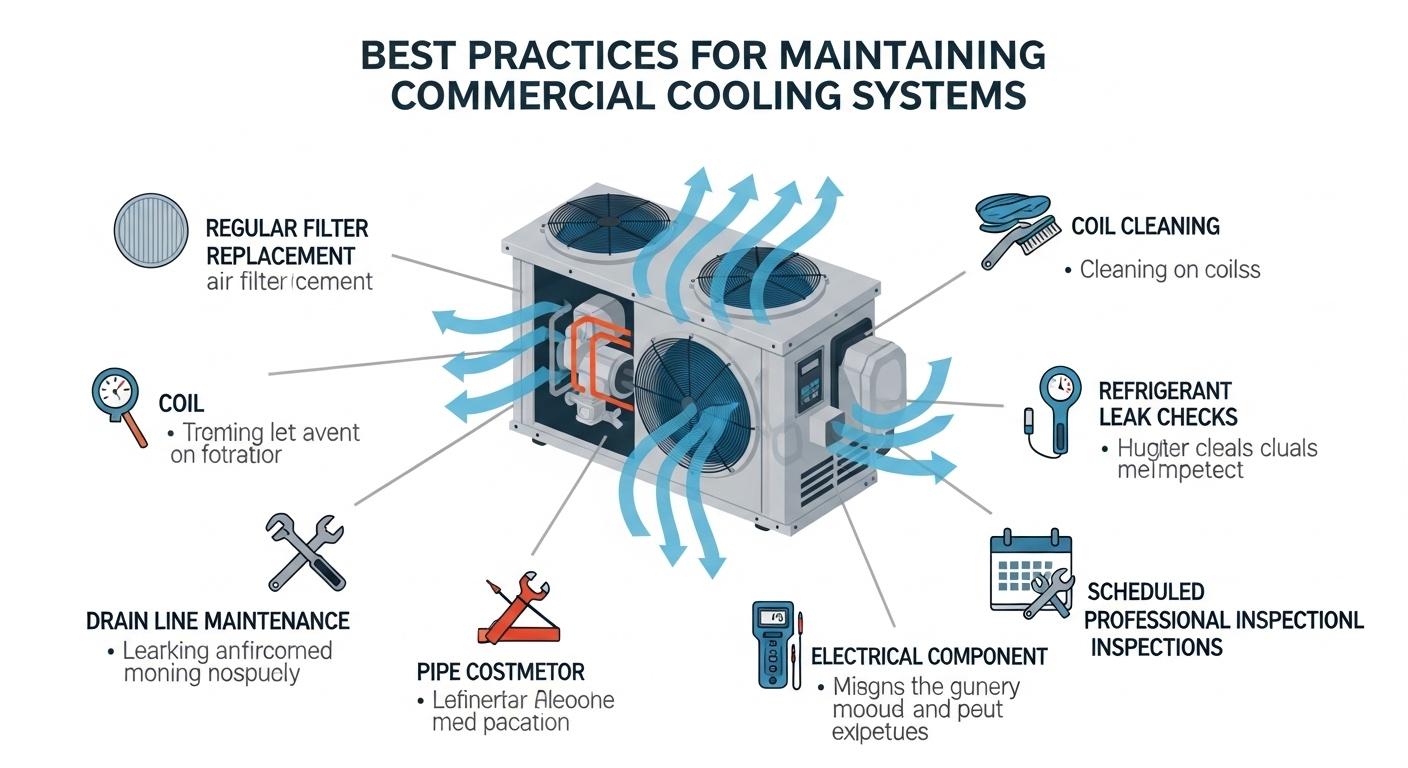
Maintaining commercial cooling systems is essential for businesses that rely on consistent temperature control for operations, employee comfort, and customer satisfaction. Poor maintenance can lead to system failures, higher energy costs, and unexpected operational disruptions.
By implementing structured maintenance strategies and proactive care, businesses can ensure long term performance and reliability. Proper upkeep not only reduces downtime but also improves energy efficiency and extends equipment lifespan, supporting smooth business operations.
Importance of Proper Commercial Cooling Maintenance
Understanding the value of routine maintenance is key to avoiding costly breakdowns and inefficiencies. For expert support and reliable service solutions, visit hvacams.co to keep your system operating at peak performance.
Prevents unexpected system failures
Improves energy efficiency and lowers costs
Extends equipment lifespan
Enhances indoor air quality
Ensures consistent cooling performance
Essential Maintenance Practices for Commercial Systems
Regular maintenance is the backbone of efficient and reliable commercial cooling operations, helping ensure smooth performance, lower breakdown risk, and consistent energy efficiency over time.
- Conduct Routine System Inspections
Routine inspections help identify minor issues before they escalate into major system failures. Technicians can detect wear and tear, leaks, or electrical issues early.
Regular checks ensure that all components are functioning properly and reduce the risk of unexpected breakdowns during peak usage periods. - Clean and Replace Air Filters
Air filters in commercial systems accumulate dust and debris quickly due to high usage. Dirty filters restrict airflow and reduce system efficiency.
Replacing or cleaning filters regularly improves airflow and ensures consistent cooling performance throughout the facility. - Monitor Refrigerant Levels
Refrigerant plays a critical role in cooling performance. Low refrigerant levels can cause the system to work harder, reduce efficiency, and increase overall energy consumption significantly.
Maintaining proper refrigerant levels ensures optimal cooling and prevents damage to key system components over time. This also helps maintain stable performance and avoids costly repairs or system failures. - Maintain Condenser and Evaporator Coils
Coils are essential for heat exchange, and dirt buildup can reduce their efficiency significantly. Dirty coils force the system to consume more energy and reduce cooling performance.
Cleaning coils regularly helps maintain proper heat transfer and ensures the system operates at maximum efficiency. This also improves overall cooling output and system reliability. - Check Electrical Components
Faulty wiring or worn electrical components can lead to system malfunctions or serious safety hazards in commercial cooling systems. Regular checks help prevent unexpected issues and system failures.
Ensuring all electrical connections are secure improves overall reliability and reduces the risk of costly repairs, operational downtime, and potential equipment damage.
Calibrate Thermostats and Controls
Accurate thermostat settings are essential for maintaining consistent temperatures in commercial spaces. Incorrect calibration can lead to energy inefficiencies and uneven cooling performance across zones.
Regular calibration ensures the system responds correctly to temperature changes and maintains optimal comfort levels. This also helps improve efficiency, reduce energy waste, and enhance system reliability.
Additional Insights for Long Term System Efficiency
Beyond basic maintenance, strategic improvements can significantly enhance system performance and reliability, and professional support from commercial air conditioning services helps optimize long term efficiency.
Implement Preventive Maintenance Plans
A structured preventive maintenance plan ensures that all system components are inspected and serviced regularly, helping minimize unexpected failures and improve long term system reliability.
It also helps businesses plan maintenance schedules effectively and avoid disruptions to daily operations. This ensures consistent performance, better efficiency, and reduced repair costs.
Upgrade to Energy Efficient Equipment
Older cooling systems tend to consume more energy and deliver lower performance. Upgrading to modern equipment improves efficiency, cooling output, and overall system reliability significantly.
Energy efficient systems reduce operating costs and support sustainable business practices over time. They also help lower environmental impact while ensuring consistent performance in demanding conditions.
Optimize Airflow Management
Proper airflow is essential for maintaining consistent temperatures across large commercial spaces. Poor airflow can create uneven cooling zones.
Ensuring vents and ducts are clear allows the system to distribute air effectively and maintain comfort throughout the building.
Train Staff on System Usage
Employees play a role in maintaining system efficiency. Improper usage can lead to unnecessary strain on cooling equipment and increased energy consumption over time.
Training staff on best practices helps reduce misuse and supports overall system performance. It also improves efficiency, reduces breakdown risk, and extends system lifespan.
Use Smart Monitoring Systems
Advanced monitoring systems provide real time data on system performance, allowing quick identification of issues before they become major problems affecting efficiency.
Smart systems help businesses respond proactively and maintain optimal efficiency with minimal disruptions. They also improve reliability, reduce downtime, and support better energy management.
Schedule Seasonal Maintenance
Seasonal maintenance ensures that systems are prepared for high demand periods. It reduces the risk of breakdowns during critical times and helps maintain stable performance.
Preparing systems in advance helps maintain consistent performance and avoids costly emergency repairs. It also improves efficiency, reliability, and long term system durability.
Practical Tips for Maintaining Commercial Cooling Systems
Regular maintenance is the backbone of efficient and reliable commercial cooling operations, ensuring smooth performance, reduced breakdown risks, and consistent long term energy efficiency.
Keep outdoor units free from debris
Ensure proper insulation in the building
Monitor system performance regularly
Address minor issues immediately
Maintain clear airflow pathways
Maintenance Impact Comparison Table
Maintenance Practice Impact on Efficiency Cost Savings Potential Implementation Difficulty
Regular inspections High High Moderate
Filter replacement High High Easy
Coil cleaning High Medium Moderate
Smart monitoring systems Medium High Moderate
Staff training Medium Medium Easy
Conclusion
Maintaining commercial cooling systems properly requires a combination of routine care, professional servicing, and smart operational practices. By implementing these best practices, businesses can ensure reliable performance and reduce operational costs.