
 By Mag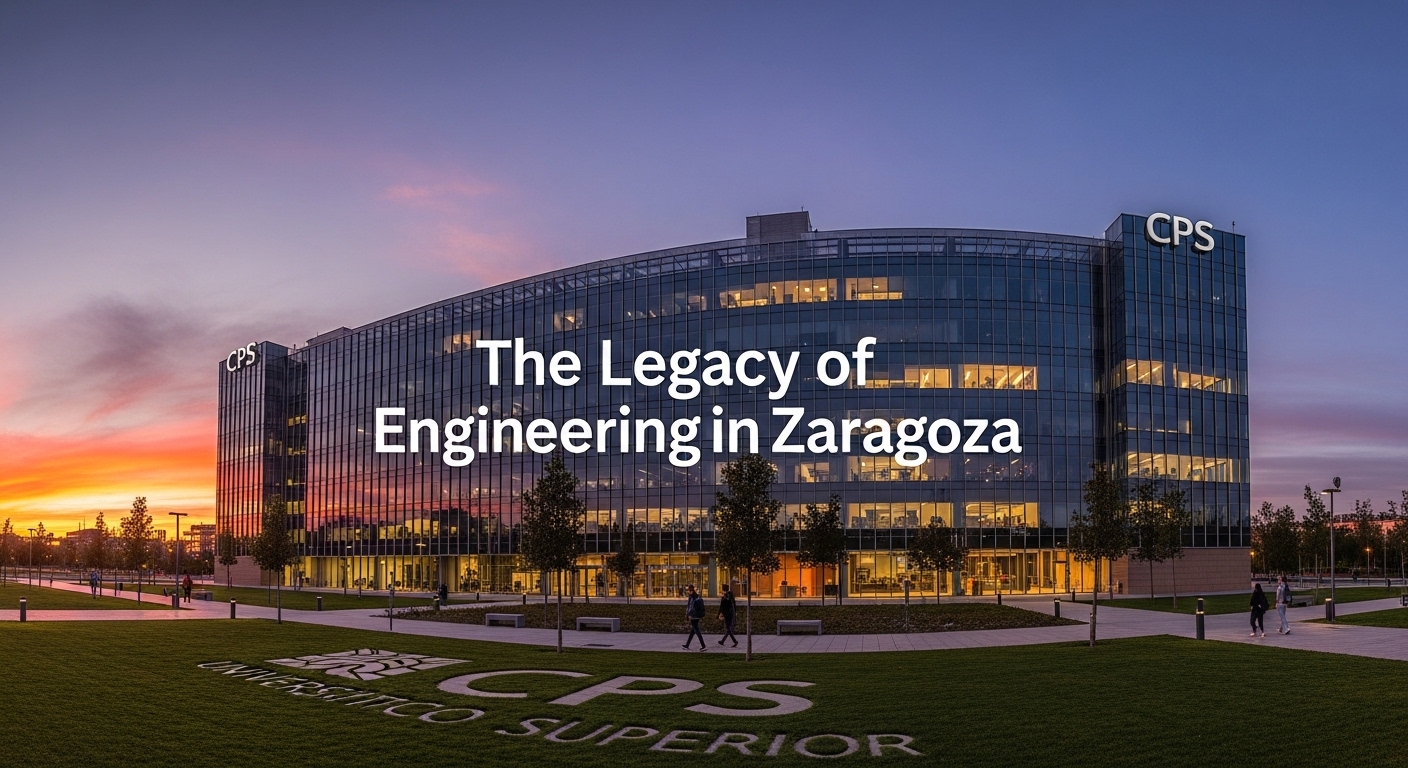
On a crisp morning in Zaragoza, students stream across a campus where equations are not abstract ideas but tools to shape the future. Inside laboratories humming with quiet intensity, prototypes are tested, algorithms refined, and conversations move easily between theory and application. This is the everyday rhythm of the centro politecnico superior, a place that has steadily earned its reputation as one of Spain’s most influential engineering and technology institutions.
Rather than presenting itself as a traditional technical school, the centro politecnico superior functions as a living ecosystem. It is where academic rigor intersects with industry relevance, and where students are trained not just to understand technology, but to use it meaningfully in a changing world.
The Academic Identity of the Centro Politecnico Superior
The centro politecnico superior is the main engineering and architecture school of the University of Zaragoza, one of Spain’s oldest and most respected universities. Its academic identity is built on depth rather than breadth, focusing on strong foundational knowledge combined with applied learning.
What distinguishes the centro politecnico superior is its refusal to separate education from practice. Courses are structured so that theoretical instruction is consistently reinforced by real-world problem solving. Engineering is taught not as a closed system of formulas, but as a discipline that responds to social needs, technological change, and economic realities.
This approach has made the institution especially relevant for students who see engineering as a gateway to innovation, entrepreneurship, and leadership.
A Curriculum Designed for Real-World Relevance
The curriculum at the centro politecnico superior reflects the demands of modern engineering professions. Degree programs span industrial engineering, computer science, telecommunications, architecture, and emerging technological fields. What unifies them is a shared emphasis on analytical thinking, systems design, and interdisciplinary collaboration.
Students are encouraged to work on long-term projects that mirror professional environments. These projects often involve industry partners, research centers, or public institutions, ensuring that learning outcomes extend beyond the classroom. By the time students graduate, they are already fluent in the language of real-world constraints such as budgets, timelines, and user needs.
This educational model helps explain why graduates from the centro politecnico superior are consistently sought after by employers across Europe.
Research as a Core Academic Engine
Research is not an optional add-on at the centro politecnico superior; it is central to its mission. Faculty members lead projects in fields such as renewable energy, artificial intelligence, materials science, and smart infrastructure. These research initiatives often operate at the intersection of academia and industry, producing outcomes with tangible impact.
Students benefit directly from this environment. Many participate in research teams early in their academic careers, gaining exposure to advanced methodologies and cutting-edge technologies. This early involvement helps cultivate a mindset of inquiry and experimentation, qualities that are essential for innovation-driven careers.
The result is an institution where learning is continuously refreshed by discovery.
Campus Culture and the Student Experience
Beyond academics, the centro politecnico superior fosters a culture of collaboration and ambition. The campus environment encourages interaction across disciplines, allowing future engineers, architects, and technologists to learn from one another’s perspectives.
Student-led initiatives play an important role in shaping campus life. Technical clubs, innovation challenges, and engineering competitions provide opportunities to apply skills in informal yet highly motivating contexts. These experiences often become defining moments in students’ educational journeys, reinforcing confidence and professional identity.
The atmosphere is demanding but supportive, driven by the shared understanding that excellence is achieved through effort and cooperation.
International Outlook and Global Connectivity
Although rooted in Zaragoza, the centro politecnico superior maintains a strong international outlook. Exchange programs, joint research initiatives, and partnerships with universities across Europe and beyond allow students to engage with global academic networks.
Courses increasingly incorporate international case studies and multilingual resources, preparing graduates for cross-border collaboration. For many students, a semester abroad becomes a turning point, broadening both technical competence and cultural awareness.
This global orientation ensures that the centro politecnico superior remains aligned with international standards and evolving professional landscapes.
How the Centro Politecnico Superior Prepares Future Innovators
What truly sets the centro politecnico superior apart is how it prepares students for uncertainty. Rather than training specialists with narrow expertise, it develops adaptable thinkers capable of navigating technological change.
Graduates leave with more than technical skills. They understand project management, ethical responsibility, and the societal implications of engineering decisions. This holistic preparation is particularly valuable for those who aspire to entrepreneurial paths or leadership roles within organizations.
The institution recognizes that tomorrow’s engineers must be problem-solvers, communicators, and decision-makers all at once.
Key Focus Areas at a Glance
The following table highlights how the centro politecnico superior aligns education with practical outcomes:
| Academic Focus Area | Practical Application | Career Relevance |
|---|---|---|
| Engineering Fundamentals | Systems design and analysis | Core technical roles |
| Applied Research | Industry-driven innovation | R&D and advanced engineering |
| Interdisciplinary Projects | Real-world problem solving | Consulting and management |
| International Programs | Cross-cultural collaboration | Global tech careers |
This alignment between study and application explains the institution’s strong reputation among employers and research partners alike.
Industry Connections and Professional Integration
The centro politecnico superior maintains close ties with industry through internships, collaborative projects, and guest lectures. These connections ensure that academic content remains relevant and forward-looking.
Students frequently engage with professionals who bring current industry challenges into the classroom. This exposure demystifies the transition from university to professional life and helps students make informed career decisions.
For entrepreneurs and founders, this ecosystem provides early access to talent, research insights, and potential partnerships.
A Reputation Built on Consistency and Vision
Reputation is not built overnight, and the centro politecnico superior has earned its standing through decades of consistent quality. Its graduates occupy roles in engineering firms, technology startups, research institutions, and public organizations across Spain and internationally.
What sustains this reputation is a clear institutional vision: engineering education should serve society, advance knowledge, and empower individuals. This vision guides curriculum development, research priorities, and community engagement.
In an era when higher education is often pressured to chase trends, the centro politecnico superior remains grounded in purpose.
The Broader Impact of the Centro Politecnico Superior
The influence of the centro politecnico superior extends beyond its campus. Through research partnerships and public projects, it contributes to regional development and national innovation strategies. Its work in areas such as sustainable infrastructure and digital transformation aligns closely with broader societal goals.
By educating professionals who combine technical excellence with ethical awareness, the institution plays a quiet but significant role in shaping the future of engineering in Spain.
Conclusion
As technology continues to evolve at an unprecedented pace, institutions like the centro politecnico superior face both opportunity and responsibility. The challenge is not only to keep up with change, but to guide it thoughtfully.
The centro superior appears well positioned to meet this challenge. Its emphasis on adaptability, research integration, and real-world relevance equips graduates to thrive in uncertain environments. More importantly, it encourages them to see engineering not merely as a career, but as a means to create meaningful impact. In this sense, the centro politecnico superior is not just preparing students for jobs. It is preparing them for the future itself.